UK Government (Department for Transport) consultation into regulation of powered mobility aids launched 06/01/2025
Download this web page as a Word document
Download this webpage as a pdf
We’re delighted to share the UK Government’s Department for Transport’s new consultation as part of their ongoing work to modernise UK laws for powered mobility devices. The consultation closes at 11:59pm on 22 April 2026.
https://www.gov.uk/government/consultations/reviewing-the-law-for-powered-mobility-devices
To support the DfT’s consultation to achieve the best possible outcomes for Disabled people, we’ve put together some explainer information resources and are holding a series of webinars.
We will be adding to these resources over the coming weeks as well as carrying out a number of consultation sessions.
Over 10 million people in the UK have mobility-related impairments.
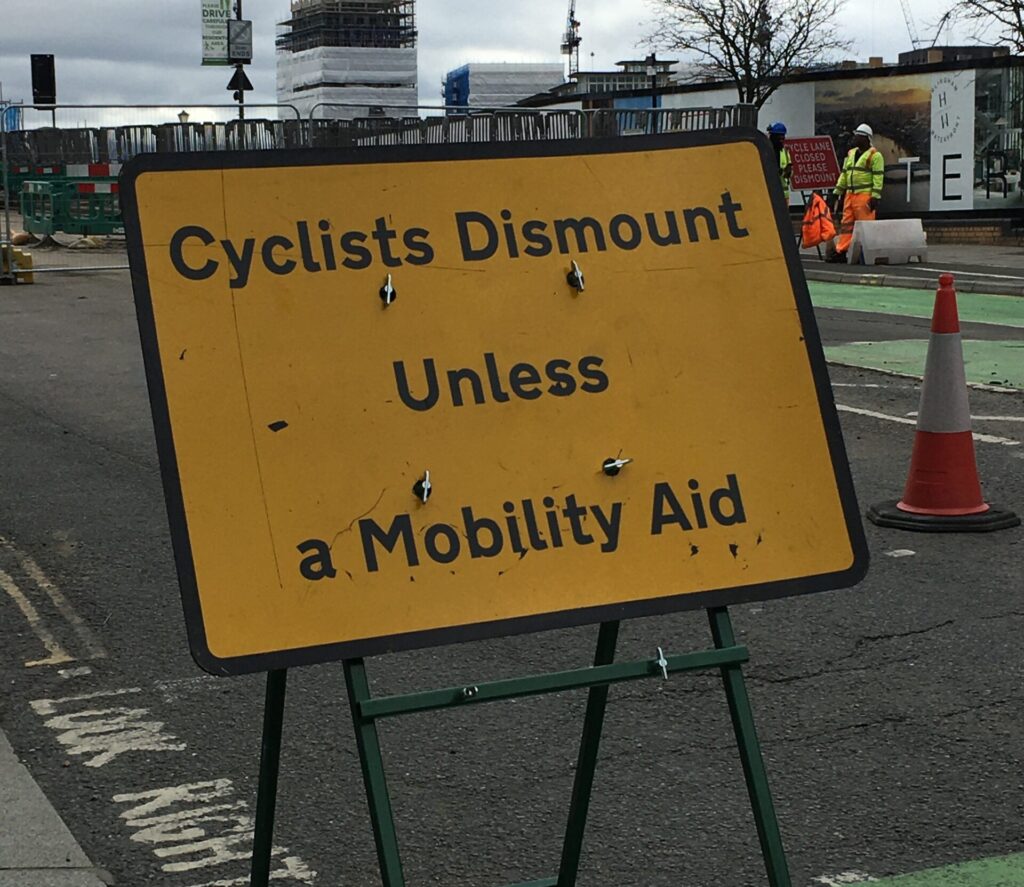
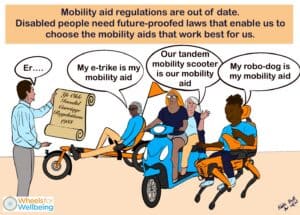
Existing mobility aid laws create confusion, restrict market innovation and limit Disabled people’s freedom to move and make journeys.
New high-quality regulations that meet Disabled people’s needs will enable millions more Disabled people to legally use a growing range of existing and innovative safe, convenient, cost-effective, low-carbon devices to move around our homes and communities. This will improve independence, physical and mental health, employment, educational and social options for Disabled people and our families
At the moment, a huge proportion of Disabled people including individual adults, children, parents and carers, Disabled couples, families and friends are prevented from owning and legally using safe, tested and well regulated mobility aids that would work for them – and that are legal in many other countries already. Development of new aids is being hindered.
New regulations need to ensure Disabled people have the right to:
- Move independently using mobility aids as pedestrians, micro-mobility users and cyclists, whatever our age or specific disabilities, with the same responsibility for safe use that equivalent non-disabled pedestrians, micro-mobility users and cyclists bear.
- Use traditional mobility aids such as wheelchairs and mobility scooters.
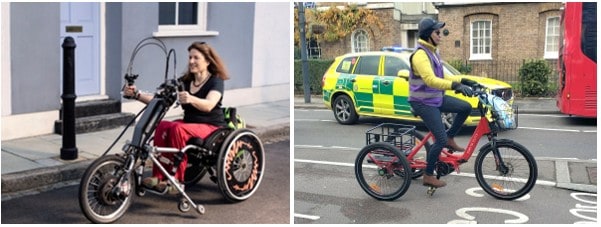
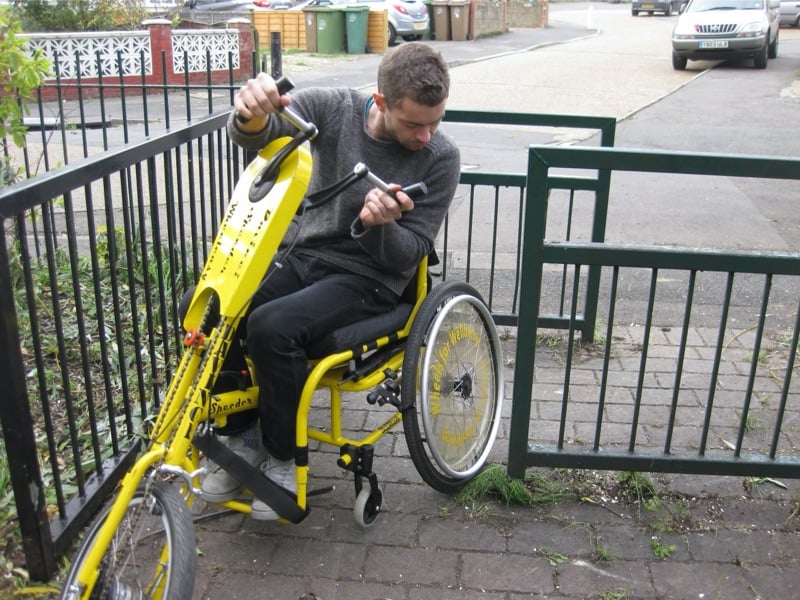
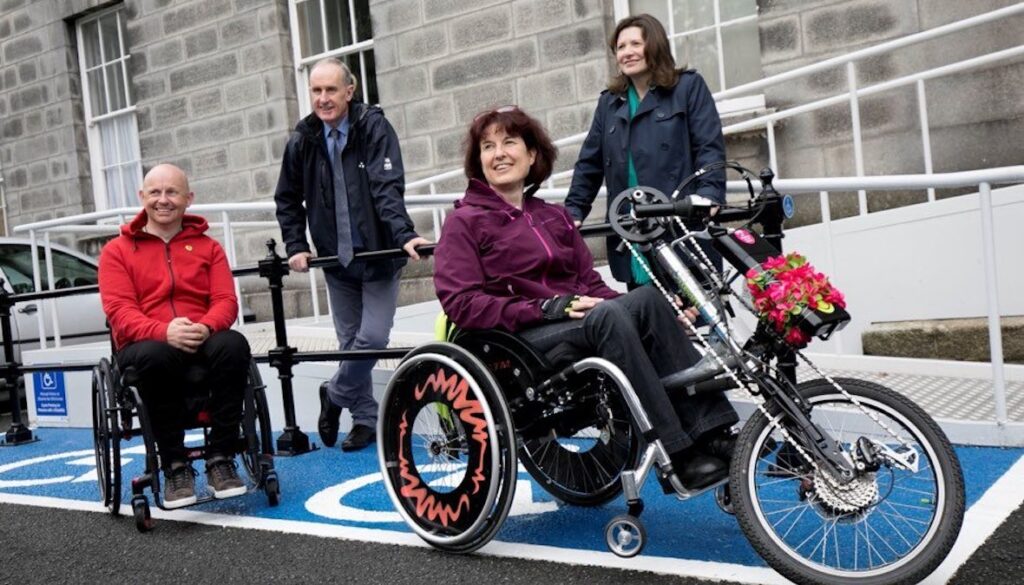
- Use less familiar mobility aids such as powered and e-assist wheelchair attachments, multi-person aids, running frames, and devices yet to be developed.
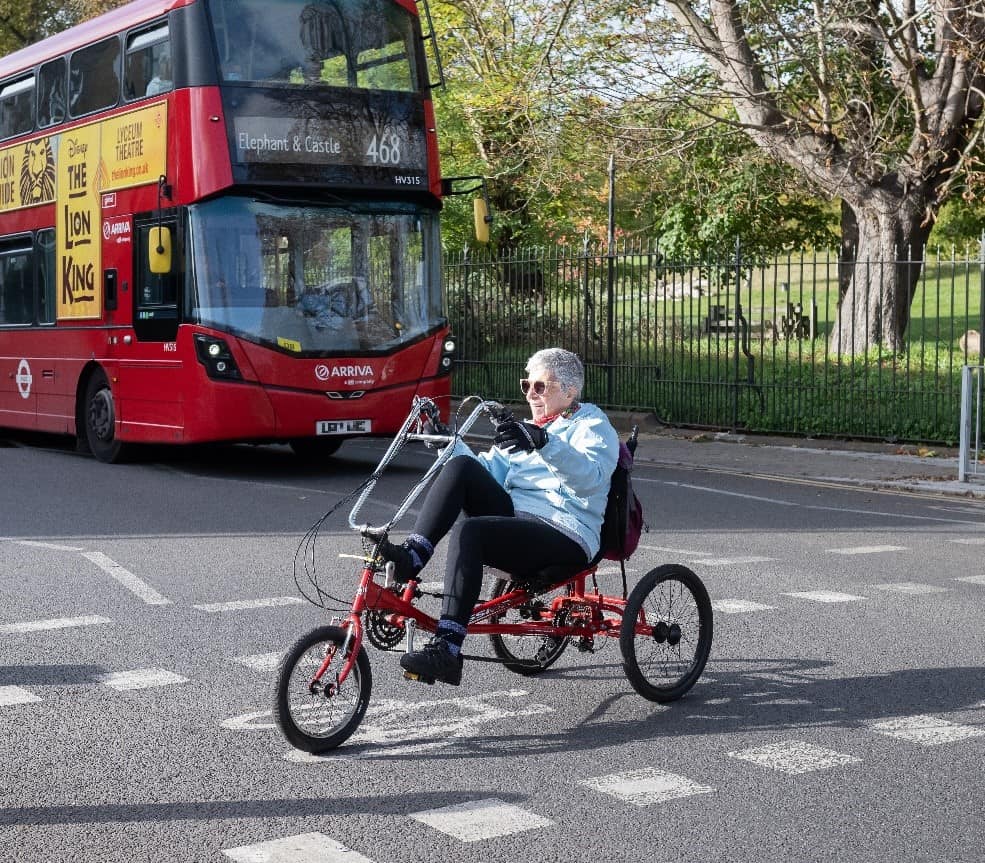
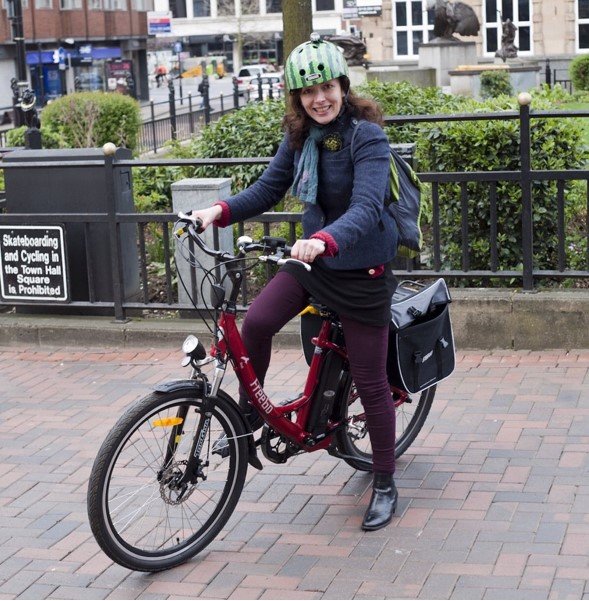
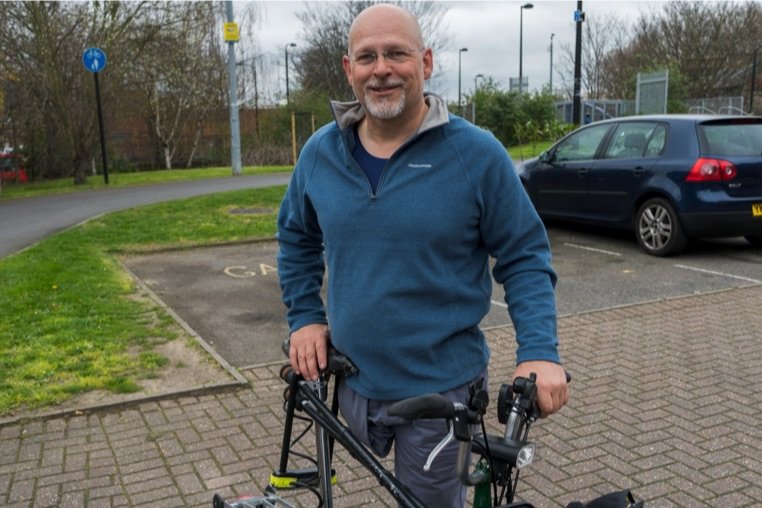
- Use devices that are also used by non-disabled people as our mobility aids, for example cycles and e-scooters.
- Use appropriate mobility aids safely and considerately in all public spaces, on public transport, to access services and in private destinations such as employment, education, healthcare, residential, retail, sports and leisure settings.
Mobility devices regulations – briefing
People using mobility aids should be allowed to get away from danger at running speed
All Disabled and non-disabled people must be presumed to have the capacity to make our own decisions
Disabled people should be allowed to make similar trips at similar speeds as non-disabled people
People who use mobility scooters should be allowed to carry friends and family
Mobility aid users should be allowed to use cycle tracks, cycle lanes and bus lanes
Parents who use wheelchairs should have the right to use prams and pushchairs
We think rules for mobility aids should be clearly written and free to read
We are holding a series of free Every Journey Everyone discussion sessions to discuss in more detail parts of the DfT’s consultation.
It will give you chance to ask us questions, challenge some of the things we are saying and discuss different viewpoints and concerns.
The sessions are targeted at different audiences, but if there is a time that works for you, please sign up.
DPOs
Tuesday 17 March, 1:00pm-2:30pm https://us02web.zoom.us/meeting/register/Vq6SvgAPQByuFPSOjYXTcw
Active Travel
Friday 20 March, 12:00-1:30pm
https://us02web.zoom.us/j/89864554839?pwd=WabNR74gJYxzslwYUyWjOEG4pABUcI.1
Mobility Aids Industry
Thursday 26 March, 10:00am-11:30am
https://us02web.zoom.us/meeting/register/ogEYhL1CQ0qRZuQsngLr7Q
General Public
Tuesday 31 March, 6:00-7:30pm
https://us02web.zoom.us/meeting/register/MFrxyHH-S–ZngOIaDlsiQ
General Public
Thursday 16 April, 7:00 – 8:30pm
https://us02web.zoom.us/meeting/register/wb6c81kFRzmqzXTbme8Q6A
We held a series of free webinars to discuss mobility aid regulations to help with your responses to the DfT’s consultation.
Watch the webinar below
You can download the webinar slides and script below.
Download the webinar presentation as a PowerPoint file
Download the webinar presentation as a PDF
Please contact the Campaigns and Policy team manager or leads with press, campaigning and consultancy enquiries:
Campaigns and Policy Manager Kay Inckle: kay@wheelsforwellbeing.org.uk
Campaigns and Policy Lead Kate Ball: kate@wheelsforwellbeing.org.uk
Campaigns and Policy Lead Ben Foley: ben@wheelsforwellbeing.org.uk
For general enquiries including inclusive cycling sessions and cycle hire (London only) please contact info@wheelsforwellbeing.org.uk
Stay up to date
If you would like to know when we add new information and resources about the mobility aid legal changes, please sign up for updates.
Further resources
We will be launching a range of detailed resources on mobility aid regulations and setting dates for consultation meetings and webinars.
A wide range of free downloadable information sheets are available on our resources page, including the Wheels for Wellbeing Guide to Mobility Aids and the Wheels for Wellbeing Guide to Paths, Pavements and Roads.